

Gambling across cultures Understanding diverse perspectives and practices
The Historical Roots of Gambling
Gambling has a rich and diverse history that spans across cultures and civilizations. Early forms of gambling can be traced back to ancient China, where tiles dated around 2,300 B.C. were discovered, believed to be used for a rudimentary game of chance. Similarly, the Romans engaged in various betting activities, from chariot races to dice games, reflecting the social and recreational aspects of gambling in their culture. These historical roots set the foundation for the various gambling practices we see today. In modern times, online platforms like fastspin-99.com have further transformed the landscape of gaming.

As civilizations evolved, so did gambling practices. In medieval Europe, card games became a popular pastime among the nobility. The introduction of playing cards in the 14th century marked a pivotal shift in gambling, leading to the creation of numerous games that are still enjoyed today, such as poker and blackjack. Each culture adapted these games to fit their social norms and values, further enriching the tapestry of gambling traditions worldwide.
In many indigenous cultures, gambling is interwoven with spiritual beliefs and practices. For instance, Native American tribes have long used gambling as a means to support communal gatherings and ceremonies. This spiritual approach to gambling often reflects a deeper understanding of chance and fate, demonstrating that gambling is not merely a game of skill or luck but a significant aspect of cultural identity and heritage.
Cultural Perspectives on Gambling
The perception of gambling varies significantly across different cultures, with some viewing it as a harmless pastime and others regarding it as a vice. In many Western societies, particularly in the United States, gambling is often associated with entertainment and luxury. The glitz of Las Vegas, for example, symbolizes the acceptance of gambling as a mainstream recreational activity. Major sporting events, such as the Super Bowl, also see an increase in gambling activity, showcasing how deeply ingrained this practice has become in popular culture.
Conversely, in parts of Asia, particularly in countries like China and Japan, gambling is often seen through a more complicated lens. While games like Mahjong and Pai Gow are celebrated social activities, they can also carry negative connotations, particularly concerning gambling addiction. Cultural taboos surrounding gambling can lead to societal pressures that discourage participation, highlighting a stark contrast to Western perspectives.
Furthermore, certain religious beliefs significantly influence cultural attitudes towards gambling. In Islam, for instance, gambling is considered haram (forbidden), emphasizing that wealth should be earned through hard work rather than chance. This cultural and religious stance shapes the behavior of millions, affecting not only individual choices but also national gambling laws and regulations.
The Evolution of Gambling Practices
The evolution of gambling practices has been profoundly influenced by technology and societal changes. With the rise of the internet, online gambling has transformed how people engage with games of chance. Websites offering various forms of gambling, from poker to sports betting, have made these activities more accessible than ever. This shift has resulted in an explosion of participation, particularly among younger demographics who are comfortable navigating digital platforms.
Mobile technology has also played a critical role in the evolution of gambling. Apps and mobile-friendly websites have allowed users to gamble anytime and anywhere, making the experience more convenient and engaging. This accessibility is especially significant in cultures where traditional forms of gambling may be restricted or frowned upon, providing an alternative avenue for participation.
However, this evolution brings forth challenges, such as gambling addiction and regulatory concerns. Countries around the world are grappling with how to manage online gambling and protect vulnerable populations. This ongoing debate reflects broader societal attitudes towards gambling, illustrating how practices can shift in response to technological advancements and cultural changes.
Gambling in Popular Culture
Gambling has significantly permeated popular culture, influencing movies, music, and literature. Films such as “Casino Royale” and “Rounders” not only depict the thrill and risks associated with gambling but also explore its deeper psychological aspects. These portrayals contribute to the mystique surrounding gambling and often glamorize the lifestyle associated with high-stakes betting.
In literature, authors like Fyodor Dostoevsky have explored the moral and existential dilemmas tied to gambling. His novel “The Gambler” delves into the obsessive nature of gambling, painting a nuanced picture of its psychological impacts. Such works encourage readers to reflect on their own perspectives towards gambling, illustrating how deeply embedded this practice is in human experience.
Moreover, music genres such as country and blues often include themes of gambling and chance. Songs that narrate tales of lost fortunes or high-stakes bets resonate with audiences, reinforcing the cultural significance of gambling as an expression of risk and reward. This blend of entertainment and moral contemplation keeps the conversation surrounding gambling alive and relevant in contemporary society.
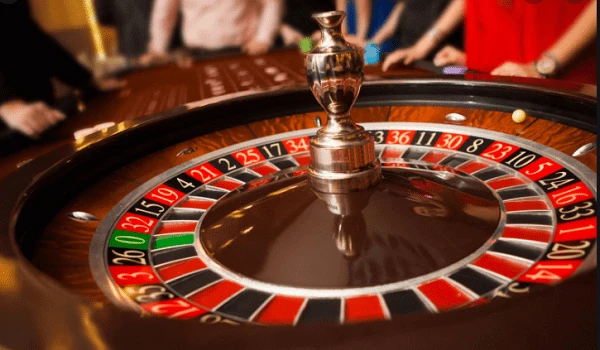
Exploring Online Gambling Platforms
As the world continues to embrace digital advancements, online gambling platforms like FastSpin99 have emerged as prominent players in the industry. Offering a vast array of games, including traditional pokies and immersive live casino experiences, these platforms cater to a diverse audience. Their ability to provide an engaging and secure environment has significantly contributed to the growing popularity of online gambling.
FastSpin99, in particular, stands out for its commitment to fairness and security. With a user-friendly interface and a plethora of game choices, it appeals to both casual players and high rollers. The inclusion of enticing promotions, such as welcome bonuses and free spins, enhances the overall gaming experience, making it an attractive option for newcomers and seasoned gamblers alike.
Furthermore, the platform’s dedication to responsible gambling reflects a growing awareness of the potential risks associated with online gaming. By providing resources and support for players, FastSpin99 is not only fostering a thrilling gaming environment but also promoting a culture of safety and responsibility in the online gambling community.

Leave A Comment